Walk into any Westfield Western Sydney gaming lounge in Parramatta on a Saturday arvo, and you’ll notice the lights, the swirling carpet patterns, and the deliberate absence of clocks or windows. These are casino psychology tricks at work, and the same visual hooks show up in every digital slot, including demo titles like the one at https://big-bass-splash-demo-au.com/play/ that you can try without risking a cent. After three decades watching payments, digital assets, and gaming platforms evolve across Europe and Australia, I can tell you the psychology hasn’t changed one bit.
The House Always Builds the Room First
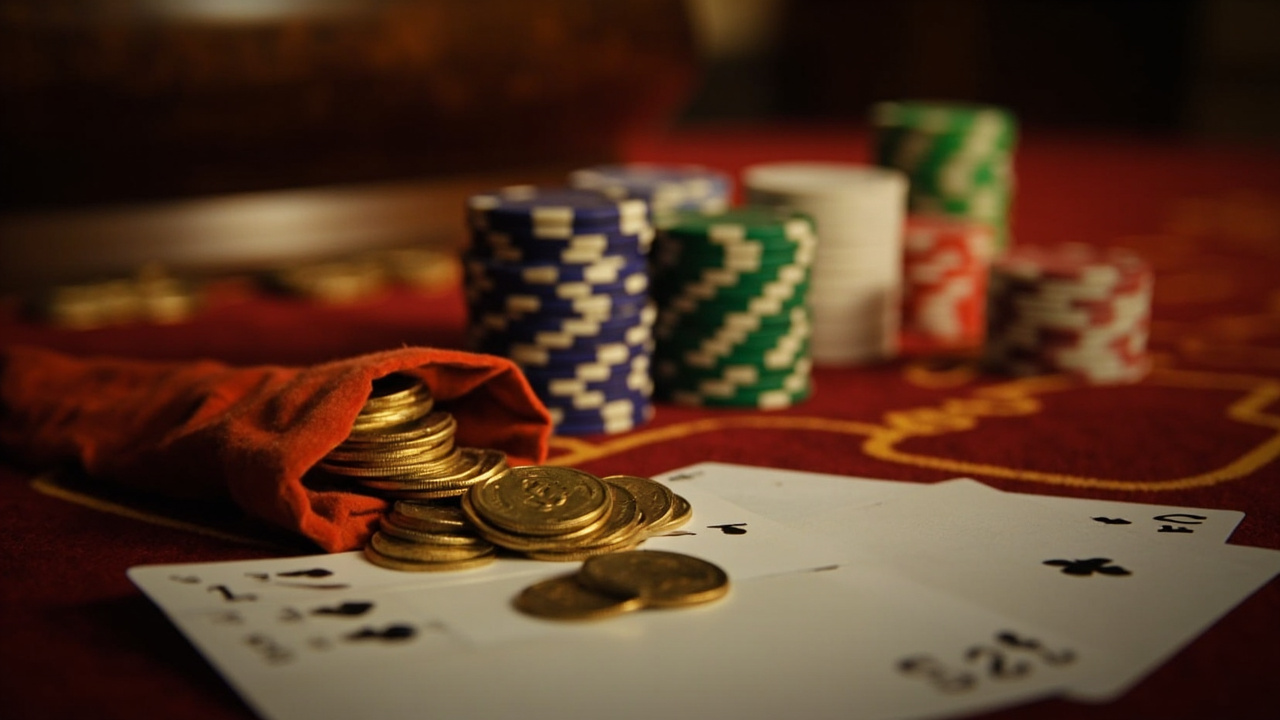
Casino psychology tricks start with the environment, not the games. The carpeting in Crown Melbourne and the carpeting at Star Sydney use similar maze-like patterns that encourage wandering rather than direct exits. Slot machines sit within easy arm’s reach, designed so that the buttons feel like extensions of your hand. Sound design pumps out celebratory chimes even on small wins, training the brain to associate losses with victory.
In the US, Vegas casinos famously pump oxygen onto the gaming floor to keep punters alert. The UK takes a quieter regulatory approach, with the Gambling Commission requiring clearer odds displays on pokie-style machines. In Australia, we lean on a mix of state-based oversight and voluntary harm-reduction messaging, but the underlying architecture of the room stays much the same as it was when Federal Group ran Tasmania’s pokies decades ago.
“By the time you sit down, the environment has already done half the operator’s work,” says Zoe Lewis, Independent iGaming Expert at Ironbark Compliance Advisory.
These tricks are strengths of the operator and trade-offs for the player. The same ambient lighting that makes a venue feel welcoming also erases any sense of how long you’ve been inside. Compare this with my work in payments infrastructure, where transparency is the point. Casinos run on the opposite principle: every design choice conceals the cost of play.
How Operators Engineer Your Decisions
Visual and Audio Triggers
The colour palette alone does heavy lifting. Reds and golds dominate Australian pokie machines because they read as warmth and reward to the brain. The near-miss effect, when two jackpot symbols land and the third just misses, is a cornerstone of casino psychology tricks, and it triggers the same neurological response as a near-miss in any other skill-based task.
Here’s how a typical session unfolds in a venue like the one at Westfield Western Sydney:
- You sit down and insert cash or tap your card.
- The machine greets you with sound, even before the first spin.
- A small win lights up within the first few bets.
- The near-miss effect kicks in, encouraging another spin.
- Time becomes unclear, so you stay longer than planned.
Notice how step three, a guaranteed small win, is built into the maths. Compare this with how I approach digital asset product design: every confirmation screen tells the user what just happened. Venues do the opposite. They blur the difference between a small return and a total loss through identical celebratory audio.
Rewards, Loyalty, and the Sunk Cost Trap
“The maths is the maths, but the loyalty ladder is where psychology meets finance,” notes William Edwards, Chief Financial Officer at Australian Gaming Futures. “Free meals, free rooms, and tiered memberships all push punters to keep playing to maintain status.”
The sunk cost trap is brutal. Once you’ve climbed to gold tier, abandoning play feels like wasting accumulated points. In the US, loyalty programmes are openly marketed and even taxed as income in some states. In Europe, regulators in places like Sweden have pushed back hard, banning certain bonus mechanics. Australia sits somewhere in the middle: loyalty perks are common, but state regulators increasingly require clearer disclosure of their actual cash value.
This is where the trade-offs become real. The same loyalty structure that rewards a regular punter on Melbourne Cup day, when even non-gamblers have a flutter, also creates a powerful reason to keep betting long after the fun has stopped.
What This Means at the Player Level
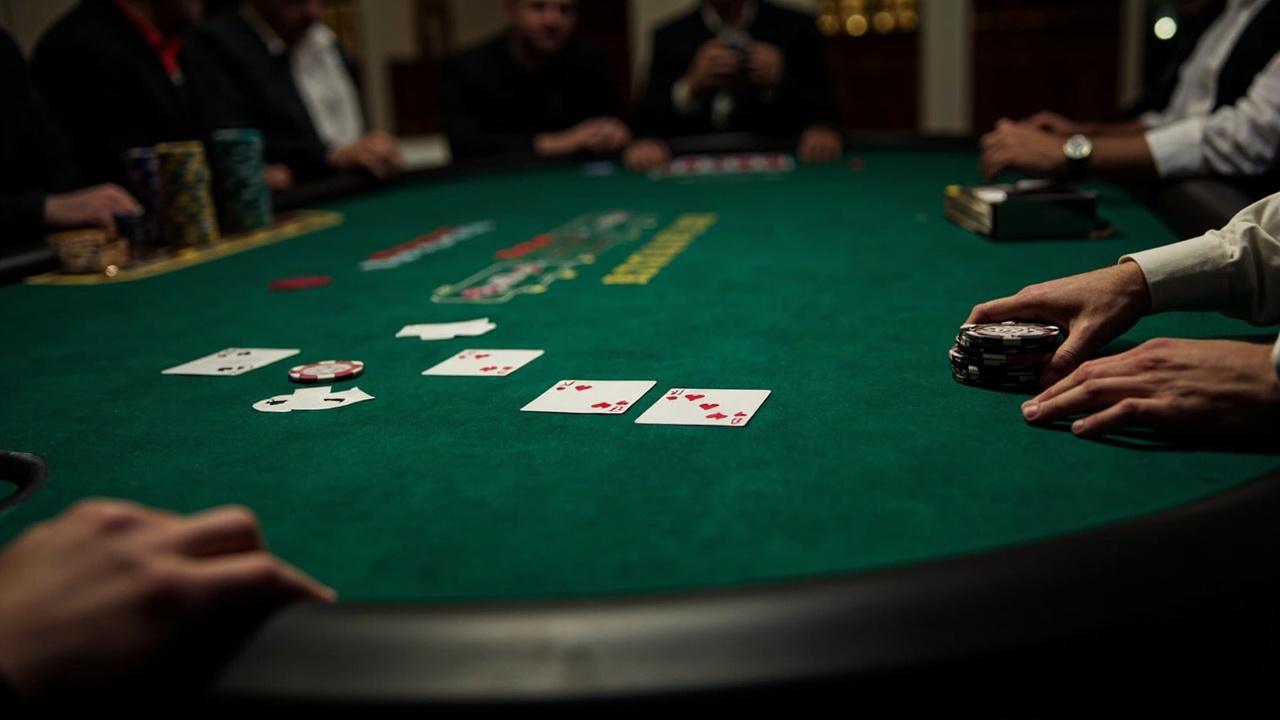
If you reckon you’ll just have a quick session, the venue has already accounted for that. Casino psychology tricks work because they target cognitive shortcuts the brain uses everywhere else, not just on a gaming floor. In my FinTech work, we build friction into payment flows so users pause before big transfers. Venues remove friction so players don’t pause at all.

Australian players should treat the room the way a tradie treats a site busy as anything: know where the exits are, set a hard time limit, and never chase a near-miss. The maths behind a game like American roulette card counting shows just how thin the margin is once you strip away the theatre. Those mathematical realities don’t change the colour of the carpet or the volume of the speakers, but they do remind you that every spin is independent.
Practical strengths remain: the entertainment value, the social occasion, the Melbourne Cup flutter. The real cost sits in the architecture you don’t see, and that’s exactly the trade-off regulators in the UK and Europe address more aggressively than we do. In Sweden, deposit limits and session timers are mandatory. In New South Wales, similar tools exist but rely on the player to opt in. That gap between offshore rigour and local voluntary standards is where the trade-off sharpens for the everyday punter.
Casino psychology tricks are a well-tuned instrument, and the operator plays the melody while the player hears the harmony. The room rewards you for staying, the maths quietly chips away, and the loyalty ladder makes leaving feel expensive. Walk in with a budget, a time limit, and the awareness that the environment is the product. That awareness is the one trick the house hasn’t figured out how to sell back to you.